Analytics in Action: Real-Time Data Streams Transforming Accumulator Strategies for Virtual Sports and Greyhound Racing
Uma Fischer · Aug 19, 2026
Analytics in Action: Real-Time Data Streams Transforming Accumulator Strategies for Virtual Sports and Greyhound Racing
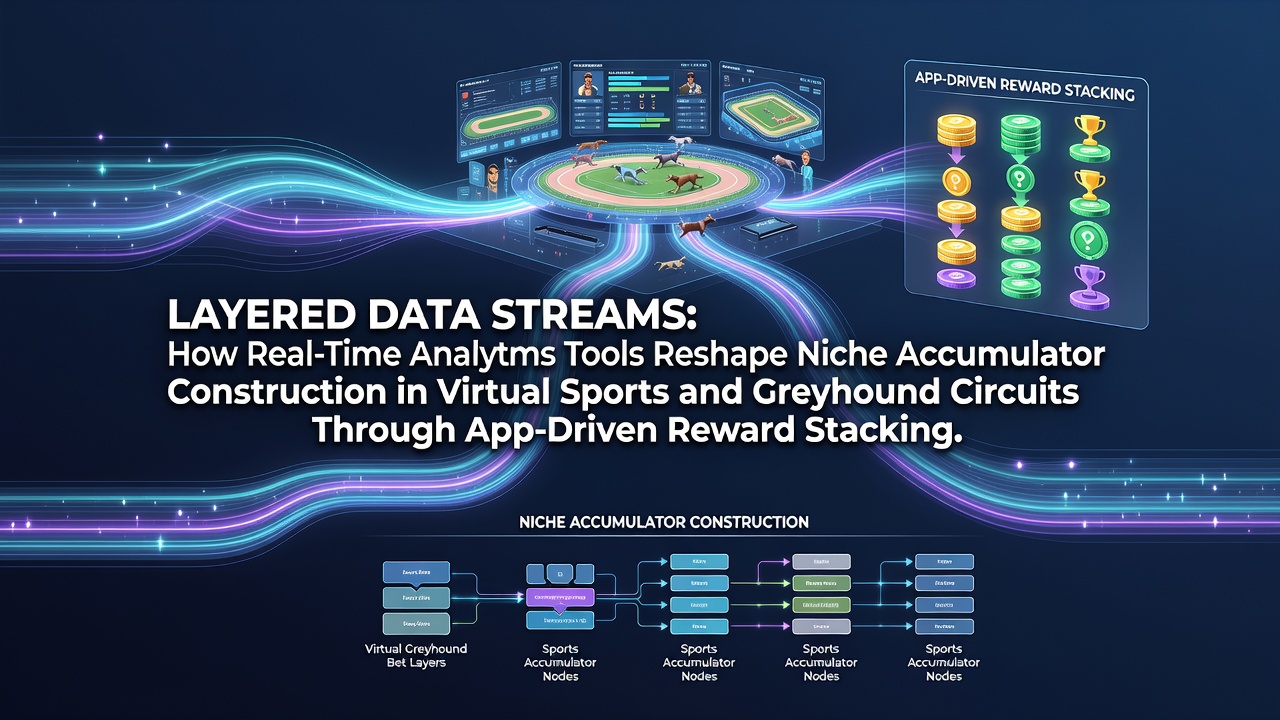
Real-time analytics platforms now process multiple layers of incoming data to support accumulator construction in virtual sports simulations and greyhound racing circuits, with mobile applications handling reward stacking that adjusts odds and payout structures dynamically. Industry reports from August 2026 show increased adoption of these systems among operators who integrate streaming telemetry from simulated events with live track feeds from greyhound venues. Observers note that the combination allows bettors to build multi-leg selections where each leg draws from continuously updated performance metrics rather than static historical averages.
Layered Data Streams in Virtual Environments
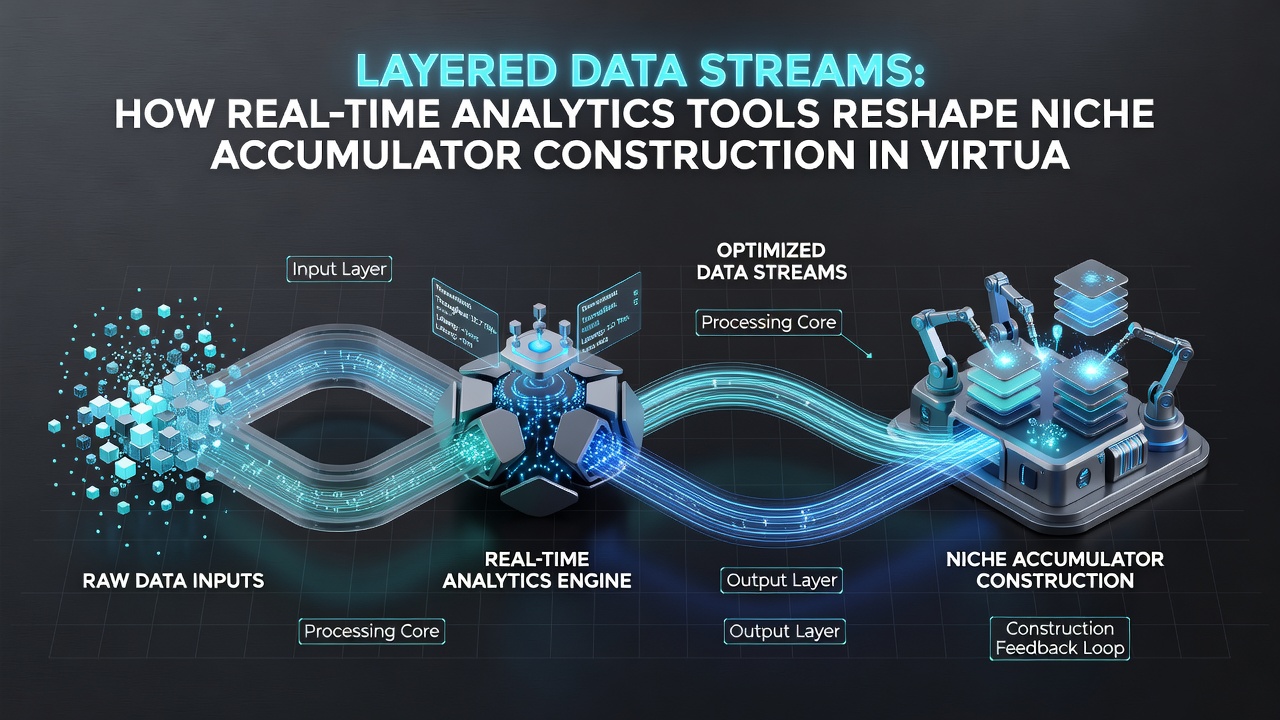
Virtual sports platforms generate continuous streams of player positioning data, environmental variables, and probability shifts that feed directly into accumulator engines. These streams operate across distinct layers including raw event simulation outputs, aggregated trend indicators, and user-specific reward multipliers delivered through dedicated apps. Data from the European Gaming and Betting Association indicates that operators using four or more synchronized layers achieved measurable improvements in accumulator completion rates during the first half of 2026. The process connects simulation outcomes with reward stacking features so that each added leg in an accumulator automatically recalculates based on the latest stream values without requiring manual intervention.
Application to Greyhound Racing Circuits
Greyhound tracks supply parallel data feeds covering trap performance, sectional times, and track condition updates that analytics tools merge with virtual sports inputs for hybrid accumulator products. Mobile applications present these combined streams through interfaces that highlight stacking opportunities where free bet credits or cashback rewards apply across both virtual and physical legs. Those who have examined operator logs report that greyhound accumulators constructed with real-time sectional adjustments showed higher retention compared with selections based solely on pre-race averages. Reward stacking in the apps triggers automatically once a user reaches defined leg thresholds, converting partial wins into additional credit layers that extend the accumulator chain.
Accumulator Construction Through App Integration
App-driven systems allow users to select legs from virtual football simulations, digital horse races, and greyhound circuits within a single interface while the analytics engine adjusts probabilities in the background. Each reward layer stacks onto the previous one, altering the overall payout multiplier according to rules set by the operator. Studies conducted by the University of Nevada's International Gaming Institute found that platforms incorporating at least three reward tiers recorded elevated accumulator volumes in niche categories during summer 2026. The construction process begins with an initial leg drawn from one data stream, then expands as subsequent legs pull from overlapping streams that incorporate both performance telemetry and active promotional credits. This method reduces the time between leg selection and final confirmation because the app handles recalculation without separate user input.
Impact on Niche Market Segments
Niche accumulator products that combine virtual sports with greyhound selections have expanded as analytics tools enable precise matching of risk profiles across different event types. Operators report that August 2026 data reflected sustained growth in these hybrid products, particularly among users who activate multiple reward layers in sequence. The systems distinguish between core performance data and promotional overlays so that each accumulator reflects both statistical updates and available stacking incentives at the moment of placement. Researchers tracking these patterns observed that users constructing accumulators across three or more data layers completed more legs on average than those limited to single-stream selections.
Conclusion
Layered data streams combined with real-time analytics continue to alter how accumulators form in virtual sports and greyhound circuits, while app-based reward stacking supplies the mechanism that connects separate data sources into unified betting structures. Operators relying on these integrated systems maintain competitive positioning as new telemetry sources and promotional formats emerge throughout 2026. The approach relies on continuous synchronization between simulation outputs, track metrics, and mobile reward engines to support accumulator construction that adapts to live conditions rather than fixed parameters.