API Synchronization Unlocks Integrated Features Across Virtual Athletics Platforms and Digital Competition Ecosystems
Sage Butler · Sep 9, 2026

API Synchronization Unlocks Integrated Features Across Virtual Athletics Platforms and Digital Competition Ecosystems
Developers and platform operators have integrated API sync tools to coordinate data streams between virtual track meets and broader digital arena chains, creating seamless connections that support multiple operational layers at once. These tools handle live timing updates, participant tracking, and reward structures without requiring separate manual interventions, which reduces latency across interconnected systems. Data from September 2026 shows increased adoption rates among virtual sports providers seeking unified management solutions.
Core Mechanics of API Sync in Virtual Environments
API synchronization operates by establishing continuous data exchanges between disparate modules, allowing one update in a virtual track simulation to propagate instantly into linked arena chain records. This process supports layered perks such as tiered participation rewards, dynamic odds adjustments, and cross-event bonus allocations that activate automatically once specific thresholds are met. Observers note that the architecture relies on standardized protocols that maintain consistency even during high-traffic periods like major virtual championship weekends.
Engineers implement these systems using event-driven triggers that monitor variables including completion times, user engagement metrics, and progression milestones. When conditions align, the sync layer distributes benefits across multiple arenas without interrupting ongoing sessions. Research from the Australian Institute of Sport indicates that synchronized platforms experience fewer data discrepancies compared to legacy standalone applications.
Layered Perks Delivered Through Synchronized Networks
Virtual track meets benefit from perks that stack across digital chains, such as cumulative loyalty points earned from successive races that unlock enhanced viewing options or entry into arena-wide tournaments. These features operate through API endpoints that verify eligibility in real time, ensuring participants receive credits or multipliers based on performance histories stored in shared databases. Figures from North American esports analytics firms reveal steady growth in multi-event participation following the rollout of such integrated tools.
Digital arena chains extend these advantages by linking individual track results to larger competitive structures, where achievements in one virtual meet contribute to rankings that influence rewards in subsequent challenges. The sync mechanism prevents duplication errors while enabling complex calculations that factor in variables like regional qualifiers or seasonal leaderboards. Those who manage these platforms report smoother operations when APIs handle the cross-referencing automatically rather than through batch processes.
Implementation Patterns Observed in 2026
Platform teams in September 2026 adopted modular API designs that separate core synchronization functions from specific perk logic, allowing quick adjustments to reward structures without full system overhauls. This approach supports both virtual track events featuring simulated athlete performances and expansive arena chains that incorporate multiple game modes. Data indicates that providers using these patterns achieved higher uptime during peak events compared to earlier non-synchronized setups.
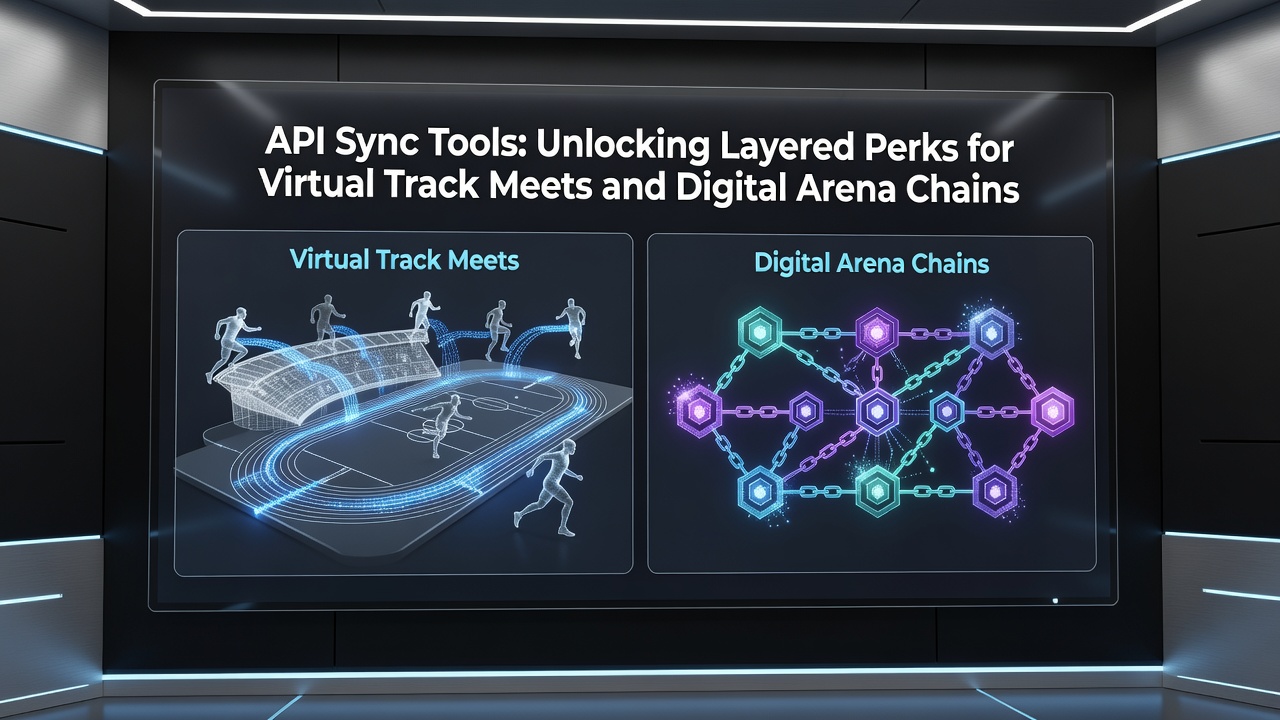
Case examples include European operators who connected track meet APIs with arena progression systems, resulting in automated distribution of entry tokens and bonus credits. Similar patterns appear in Asian markets where providers coordinate live virtual racing data with broader esports ecosystems. A study conducted by the University of Waterloo's digital media research group highlights measurable improvements in user retention when synchronization maintains consistent perk delivery across event types.
Technical Considerations and Scalability Factors
Scalability depends on robust handling of concurrent connections, with API sync tools employing caching layers and redundancy protocols to manage spikes in activity. These measures ensure that layered perks remain available even as participant numbers rise during major virtual seasons. Industry reports from the Canadian Interactive Digital Software Association document how optimized sync frameworks reduce server load while preserving data integrity across distributed networks.
Security protocols integrated into the synchronization process verify each data packet before propagation, protecting user accounts and reward balances from unauthorized alterations. This verification occurs alongside performance monitoring that flags anomalies in real time. Observers have documented fewer service interruptions on platforms employing comprehensive sync validation compared to those relying on periodic manual reconciliations.
Conclusion
API sync tools continue to reshape how virtual track meets connect with digital arena chains by enabling coordinated data flows that support layered operational features. Evidence from multiple regions in 2026 points to expanded use of these systems for managing rewards, rankings, and event integrations. As adoption grows, the focus remains on maintaining reliable exchanges that deliver consistent outcomes across expanding virtual ecosystems.