Charting Incentive Layering Protocols Across Mixed Wager Categories on Handheld Platforms
Dana Bennett · Aug 21, 2026
Charting Incentive Layering Protocols Across Mixed Wager Categories on Handheld Platforms
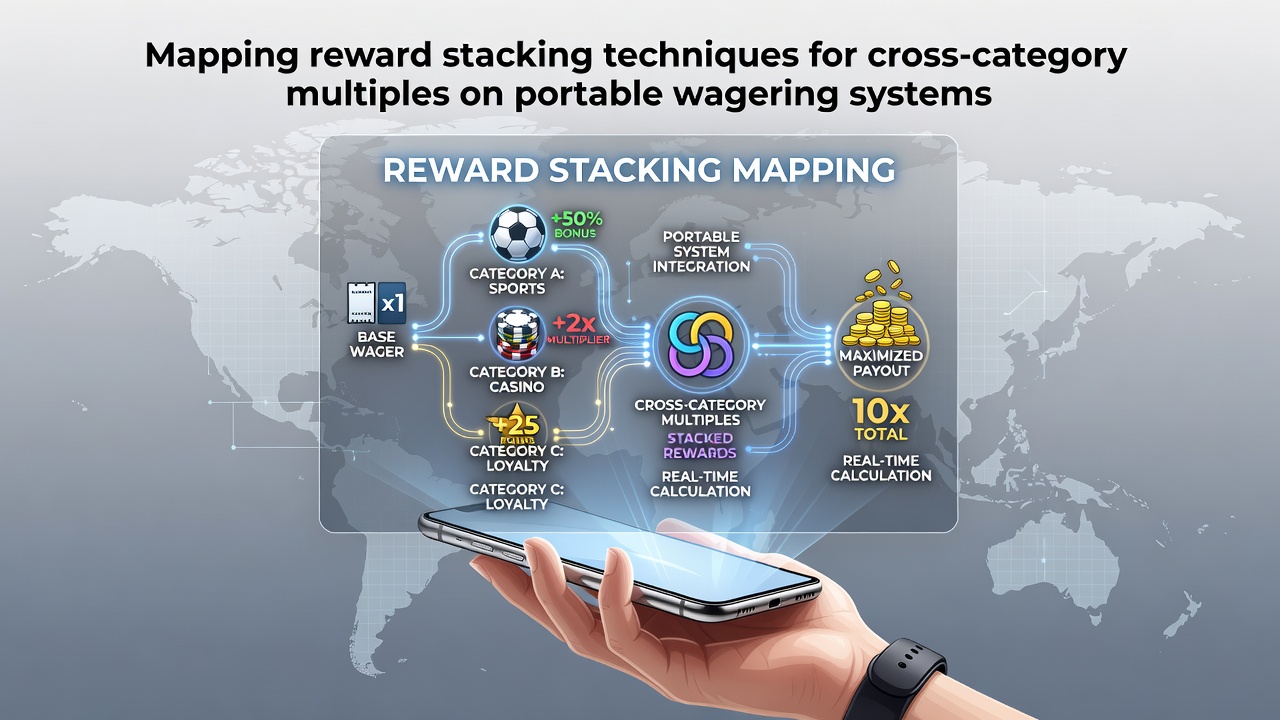
Operators in the portable wagering sector have developed structured approaches to reward stacking that combine incentives from distinct categories such as team sports, equine events, and competitive gaming tournaments, and these methods rely on precise mapping of eligibility rules, contribution weights, and expiration timelines to maximize cross-category multiples. Data from industry reports indicate that mobile applications account for over 70 percent of new account registrations in regulated markets during the first half of 2026, which has accelerated the rollout of layered promotion engines capable of tracking simultaneous wagers placed on football leagues, thoroughbred meetings, and esports fixtures. Researchers at the National Center for Responsible Gaming have documented how users navigate these systems through sequential activation sequences that align welcome bonuses, reload credits, and cashback thresholds without violating single-account restrictions.
Core Mapping Components in Cross-Category Systems
Mapping begins with cataloging each promotional element according to its category contribution factor, where a football accumulator might carry a 1.5 multiplier toward a combined target while an esports streak registers at 1.2 and a horse racing each-way sequence contributes 0.8, and platforms update these coefficients monthly to reflect seasonal event volumes. Observers note that successful integration requires real-time synchronization between the mobile application's risk engine and the central bonus ledger, since overlapping time windows in August 2026 have introduced additional constraints around major international tournaments and festival racing calendars. Those who have examined the backend architecture report that compatibility matrices list allowed combinations, such as pairing a soccer chain with a virtual horse race but excluding two identical esports titles within the same 24-hour cycle.
Activation Sequences and Verification Layers
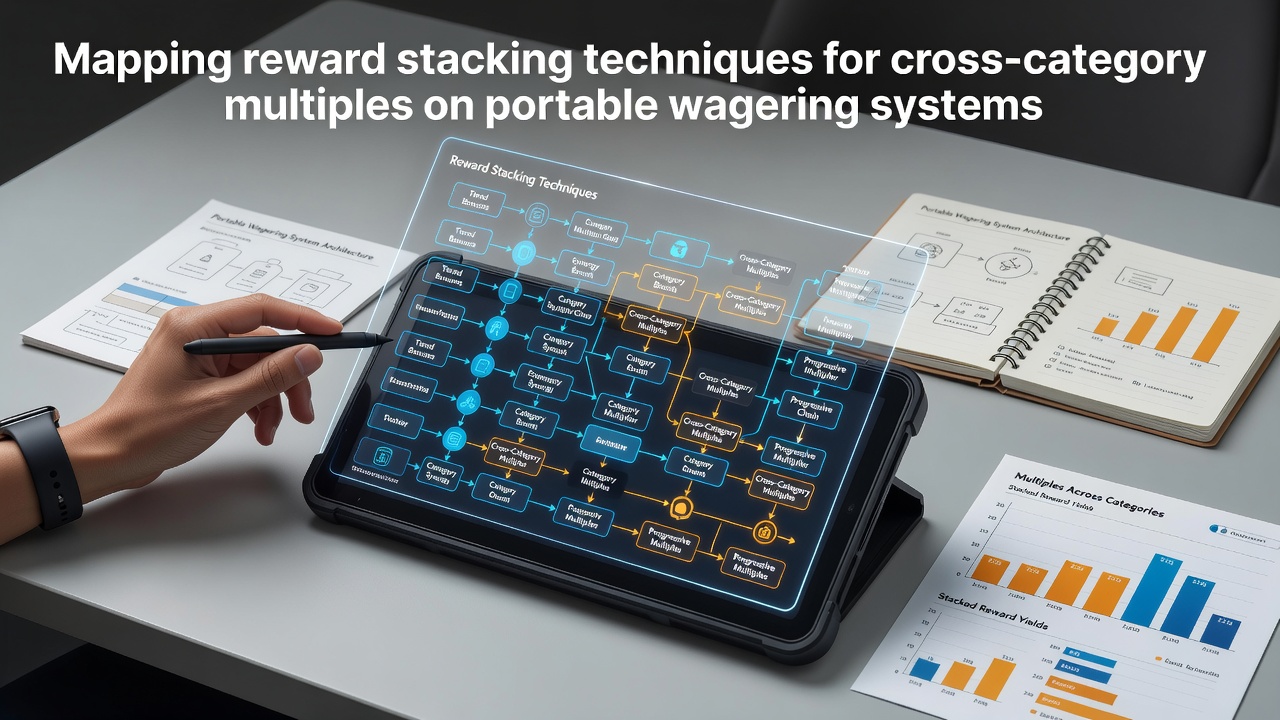
Users initiate stacking by selecting qualifying legs in the mobile interface, after which the system applies an overlay that calculates projected combined returns once all legs clear settlement; this process incorporates automated checks against historical account activity to prevent duplicate bonus claims across categories. Figures released by the Pennsylvania Gaming Control Board show that cross-category wager volume rose 14 percent year-on-year through mid-2026, driven largely by handheld devices that embed these verification steps directly into the bet slip construction workflow. Experts have observed that platforms deploy color-coded progress bars and expandable detail panels to display how each added leg shifts the overall reward ceiling, allowing operators to maintain transparency while guiding selections toward permitted mixtures.
Regional Regulatory Influences on Stacking Mechanics
Regulatory frameworks in different jurisdictions shape the permissible boundaries of these techniques, with Australian state commissions requiring explicit disclosure of combined payout caps while Canadian provincial regulators emphasize separate audit trails for each category's contribution to a stacked reward. Data compiled by the Australian Gambling Research Centre reveals that mobile sessions involving at least three distinct categories now represent 22 percent of total handle in monitored markets, prompting operators to refine their mapping algorithms to accommodate jurisdiction-specific rules without fragmenting the user experience. Platforms therefore maintain region-aware configuration files that adjust stacking parameters based on geolocation signals detected at login, ensuring compliance while preserving the core functionality of cross-category multiples.
Technical Implementation Patterns Observed in 2026
Software teams responsible for portable wagering applications have standardized on modular bonus engines that isolate category-specific rules into separate services, enabling rapid updates when new event types enter the market or when seasonal promotions alter weighting factors. Integration testing cycles conducted in advance of August 2026 schedules confirmed that simultaneous processing of football, racing, and esports legs maintains sub-second response times on mid-range devices, which supports higher user retention during peak evening hours. Those who have reviewed deployment logs note that error-handling routines automatically isolate failed legs and recalculate remaining reward eligibility, preventing total disqualification of an otherwise valid stack.
Conclusion
Systematic mapping of reward stacking techniques continues to evolve in response to both technological capabilities and regulatory requirements across portable wagering environments, with operators refining contribution matrices, verification sequences, and regional configurations to sustain cross-category multiples. Industry data and academic monitoring indicate sustained growth in mobile-driven mixed wagers through 2026, underscoring the importance of transparent and adaptable frameworks that accommodate diverse betting categories without compromising operational integrity.