Layering Welcome Incentives for Accumulator Chains in Soccer, Steeplechase and Esports Markets
Ben Schulz · Aug 21, 2026
Layering Welcome Incentives for Accumulator Chains in Soccer, Steeplechase and Esports Markets
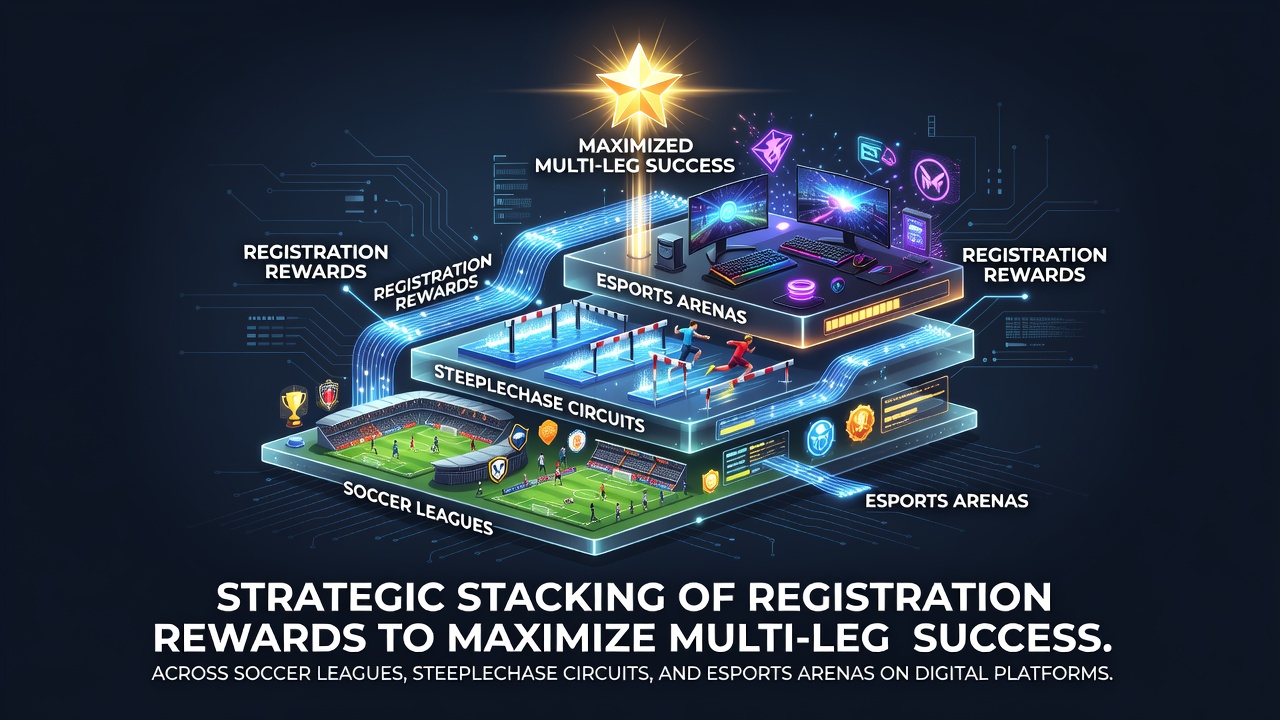
Digital platforms now allow users to combine multiple registration rewards from different operators into layered structures that support extended accumulator bets across soccer leagues, steeplechase circuits and esports arenas, and operators track these patterns through internal metrics released each quarter. Registration rewards typically include matched deposits, free bet tokens and cashback percentages that activate when users complete initial deposits and place qualifying wagers, while stacking occurs when several such offers run concurrently on separate accounts without violating individual terms. Data from platform analytics in August 2026 indicate that multi-leg selections involving at least one soccer fixture, one steeplechase event and one esports match have increased in volume compared with the same period in the prior year, partly because bonus credits extend the number of legs users can include before reaching stake limits.
Mechanics of Reward Stacking on Mobile Applications
Users open accounts on separate licensed platforms, complete verification steps and trigger welcome offers in sequence so that matched funds from one site cover the base stake on a soccer leg while a free bet token from another site applies to a steeplechase leg and a deposit bonus from a third site funds an esports leg. Each platform maintains its own rollover requirements, so operators publish clear lists of eligible markets that include Premier League matches, Cheltenham Festival steeplechase races and Valorant or League of Legends tournaments, and users must meet these requirements before withdrawing any net winnings. Observers note that successful stacking depends on timing the activation windows so that bonus periods overlap during major fixture clusters, such as the August international soccer break combined with late-summer steeplechase meetings and ongoing esports regional qualifiers.
Application Across Soccer Leagues
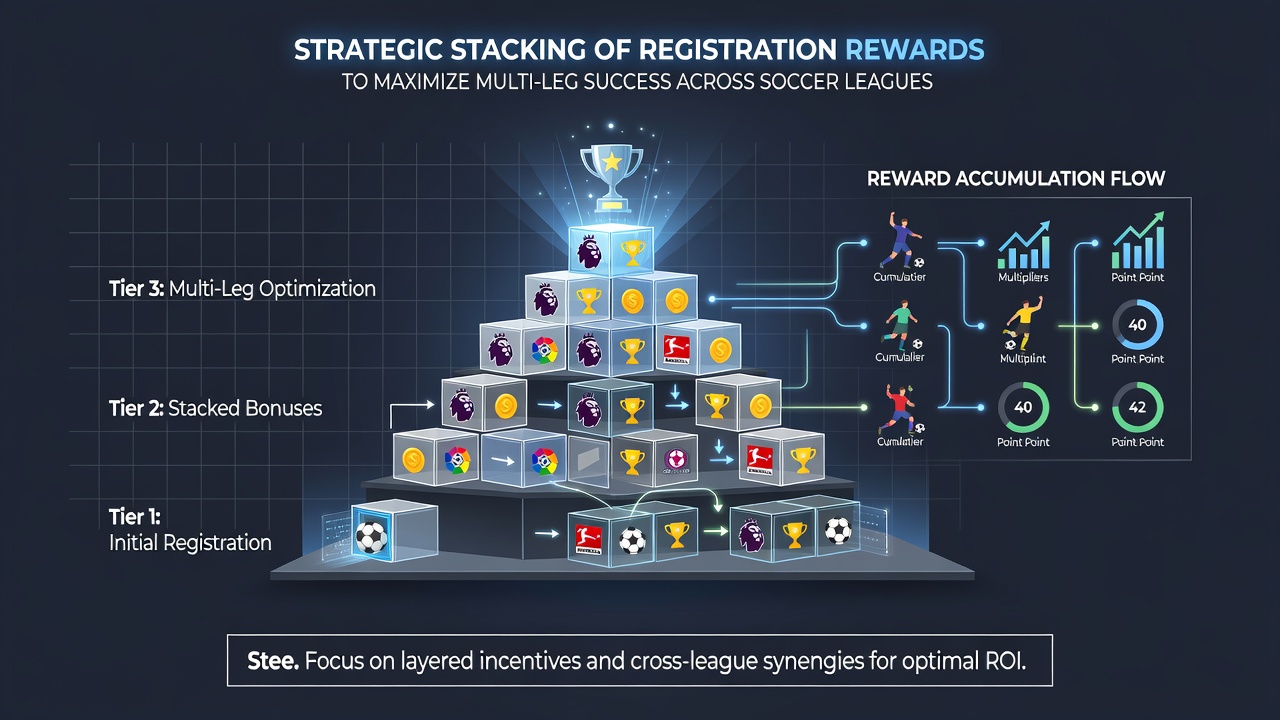
Soccer accumulators benefit from high-frequency fixtures that allow four or five legs to be selected within a single weekend window, and registration rewards often carry lower minimum odds requirements for football markets than for other sports, which makes them suitable entry points for longer chains. Platform data shows that users who allocate matched deposit credits to Premier League or Championship selections and then move remaining free bets to steeplechase and esports legs achieve higher completion rates for the full accumulator because the bonus amounts offset the reduced stake on the later legs. Industry reports from the European Gaming and Betting Association highlight that soccer remains the anchor sport in most hybrid accumulators because its schedule provides predictable liquidity across domestic and European competitions.
Integration With Steeplechase Circuits
Steeplechase events add variance through variable going conditions and longer distances, yet they also carry each-way options that can return place dividends even when the outright winner selection fails, and several operators include these markets in bonus-eligible categories. When users stack a registration reward from a platform that specialises in horse racing, the cashback component can return a percentage of losing stakes on steeplechase legs and thereby extend the lifespan of the overall accumulator chain. Figures released by Australian regulatory bodies show steady growth in cross-sport betting that pairs UK and Irish steeplechase races with other disciplines, and this pattern appears in August 2026 fixture lists where summer jumps meetings coincide with soccer pre-season friendlies and esports summer splits.
Extension Into Esports Arenas
Esports titles supply rapid match cycles that fit between soccer and steeplechase events, allowing users to insert live or pre-match legs without extending the overall settlement timeline beyond bonus expiry dates. Registration rewards aimed at esports often include enhanced odds tokens or no-risk bets on map winners, and these can be applied to the final leg of a multi-sport accumulator to protect the stake if earlier selections have already secured a profit. Research compiled by the University of Nevada Gaming Innovation Center indicates that esports markets now account for a growing share of bonus-driven wagers because their 24-hour availability complements the fixed schedules of traditional sports and enables users to complete rollover conditions within shorter timeframes.
Practical Sequencing and Compliance Considerations
Operators publish updated lists of restricted activities that prohibit certain combinations, so users review each set of terms before activating multiple accounts to avoid bonus forfeiture. Successful sequencing typically begins with a deposit-matched offer on a soccer-focused platform, moves to a free bet on a racing specialist site and finishes with an esports cashback offer that covers any shortfall on the final leg. Regulatory updates issued in several jurisdictions during 2026 require clearer disclosure of bonus stacking limits, and platforms have responded by embedding automated checks that flag accounts attempting to combine offers across linked devices or shared payment methods.
Conclusion
Registration reward stacking continues to evolve alongside fixture calendars that bring soccer leagues, steeplechase circuits and esports arenas into simultaneous focus, and platform metrics from August 2026 confirm sustained interest in multi-leg structures that span these three categories. Users who align bonus activation windows with published fixture clusters and maintain separate compliant accounts can extend accumulator length while meeting individual rollover thresholds, although each operator enforces its own eligibility rules. Continued monitoring by industry bodies and academic researchers will determine how these practices develop as digital platforms refine their reward structures and regulatory frameworks adjust disclosure requirements.