Tiered Loyalty Structures Strengthen Accumulator Betting Across Esports and Equine Markets on Mobile Devices
Uma Fischer · Aug 23, 2026

Tiered Loyalty Structures Strengthen Accumulator Betting Across Esports and Equine Markets on Mobile Devices
Operators in the betting sector have expanded tiered loyalty programs that reward users for building multi-leg accumulator bets spanning esports events and traditional horse racing circuits, with smartphone applications serving as the primary delivery channel for these incentives. Data from industry tracking services indicates that participation in such chains rose notably through mid-2026, particularly as mobile interfaces allowed real-time tracking of progress toward higher loyalty tiers during August events in both virtual arenas and equine fixtures.
These programs typically divide participants into ascending levels based on accumulated stakes and successful outcomes, granting escalating perks such as boosted odds on additional legs or cashback on near-miss accumulators. Observers note that the structure encourages longer engagement sequences where bettors combine selections from football matches, Valorant tournaments, and steeplechase races within a single chain, all managed through one application dashboard.
Mechanics of Loyalty Tiers in Accumulator Construction
Loyalty ladders function through point systems that convert betting volume into tier status, which in turn unlocks multipliers applicable to accumulator returns. Researchers at academic institutions have documented how these multipliers apply specifically when chains cross sport categories, creating hybrid payouts that reflect combined risk profiles from digital competitions and physical track events. Applications display tier progress via integrated dashboards that update after each leg settles, allowing users to adjust remaining selections without leaving the mobile session.
Figures from platform analytics reveal that users reaching mid-tier status during the 2026 summer schedule maintained higher retention rates when offered seamless switches between esports overlays and equine form guides on the same screen. The design reduces friction in building chains that might include a Premier League goalscorer market alongside a virtual race outcome, with loyalty credits applied automatically at settlement.
Cross-Sport Integration on Smartphone Platforms
Mobile applications now consolidate data feeds from multiple providers so that accumulator builders can select legs from esports titles and horse racing meetings without switching interfaces. This consolidation supports chains that blend high-frequency virtual events with scheduled equine circuits, where loyalty tiers determine the availability of no-sweat refunds or partial stake returns on incomplete sequences. Reports compiled by Gambling Research Australia highlight patterns in which cross-category betting volume increased alongside the rollout of unified loyalty tracking across devices.
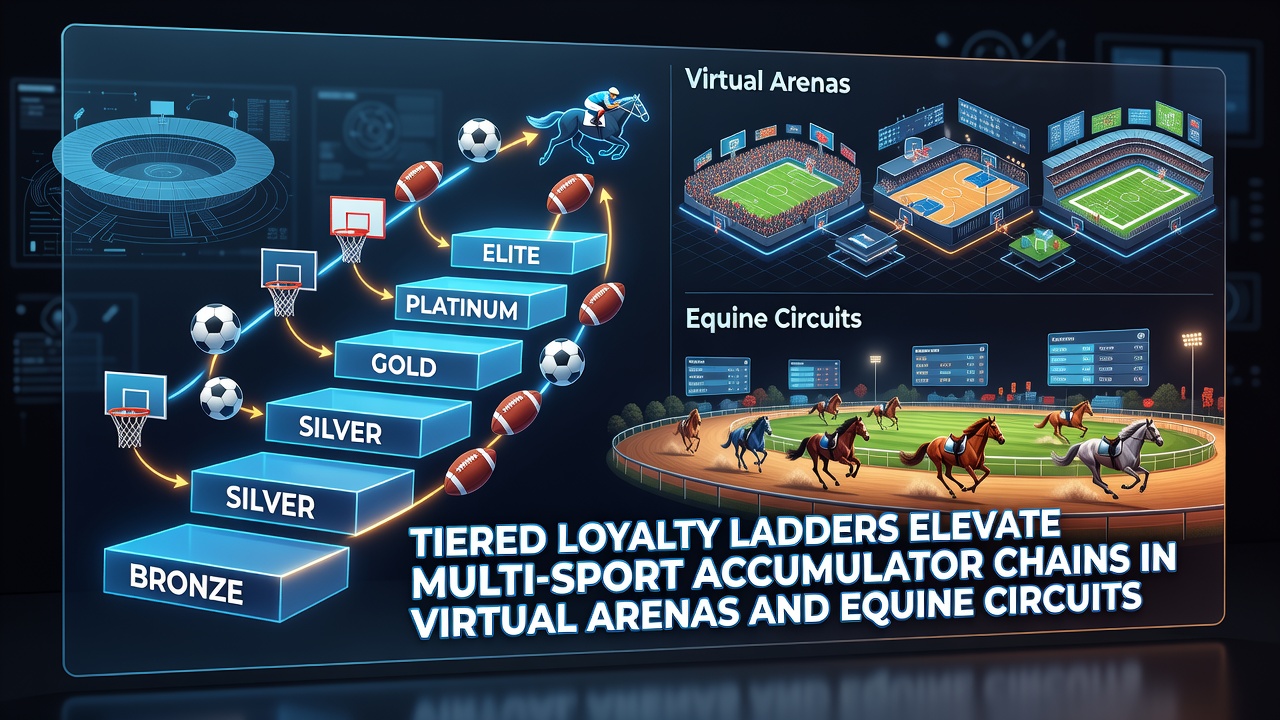
Platform updates introduced in early 2026 added visual indicators that flag when a pending chain qualifies for tier advancement, prompting users to add further legs from either domain. Those who study user behavior note that the immediate visibility of potential rewards correlates with extended session lengths, particularly during overlapping calendars of major esports tournaments and festival race meetings.
Regional Regulatory Context and Platform Adaptations
Regulatory frameworks in several jurisdictions require operators to maintain transparent records of how loyalty incentives influence betting patterns, prompting developers to embed compliance features directly into mobile accumulator tools. The Responsible Gambling Council in Canada has issued guidance documents that outline expectations for clear disclosure of tier thresholds, and platforms have responded by surfacing these details within the same interface used for chain construction. Such adaptations ensure that users receive real-time information on eligibility for elevated rewards without navigating separate menus.
Industry associations tracking global mobile betting trends report that applications serving markets in Asia and Europe have aligned their loyalty systems with local reporting standards, allowing seamless operation of multi-sport chains even when regulatory requirements differ by region. This alignment supports consistent user experiences across borders while satisfying oversight demands on reward mechanics.
Performance Data from 2026 Seasons
Analytics covering the period through August 2026 show elevated volumes in accumulator chains that incorporate both virtual arena selections and equine circuit outcomes, with loyalty tier advancements cited as a contributing factor in sustained activity levels. Platform operators document that users advancing through tiers during this window demonstrated longer average chain lengths compared with those remaining at entry levels. These patterns emerge from aggregated transaction logs that capture the timing of tier unlocks relative to event schedules.
External analysis from the National Center for Responsible Gaming indicates measurable shifts in how participants allocate stakes across categories once tier benefits become active, with mobile interfaces facilitating quicker adjustments mid-chain. The data underscores the operational role of smartphone delivery in maintaining continuity across diverse sporting calendars.
Conclusion
Tiered loyalty structures have become embedded within mobile betting ecosystems that handle accumulator chains spanning esports and horse racing, supported by application features that track progress and apply rewards automatically. Available figures from 2026 illustrate continued integration of these elements, with platform adaptations addressing both user engagement and regulatory expectations across multiple regions. Further monitoring by research bodies will track how these systems evolve alongside seasonal calendars in virtual and traditional racing domains.